Brand storytelling uses narrative techniques to create an emotional connection between a brand and its audience. It’s one of the parts of branding strategy that focuses less on the products and services a brand offers and more on the way the brand wants to be seen.
In this guide, you’ll learn what brand storytelling is, why it’s important, its core elements, and how to put one together. Need help crafting your own brand story? Quillbot’s AI Chat can assist you in brainstorming ideas, sequencing information, and finding exactly the right words to make your story resonate with your target audience.
Key takeaways
Brand storytelling uses narrative to communicate your brand’s purpose, values, and identity, creating emotional connections that make your business more memorable than product features alone.
The most effective brand stories position the customer as the hero, your brand as the guide, and show how customers transform after overcoming a meaningful challenge.
A strong brand story builds trust, differentiates your business in a crowded market, and should remain authentic and consistent across every customer touchpoint.
This guide explains the core elements of brand storytelling, walks through a step-by-step process for creating your own narrative, and includes story types and real-world examples from successful brands.
Personal branding affects how others perceive you, whether you’re applying for jobs, growing a business, or building an online presence. It affects your professional reputation for better or worse, but when done right, helps you earn trust, attract new opportunities, and build meaningful professional relationships.
Personal branding isn’t about creating a fake persona or becoming an influencer. Instead, it’s similar to how companies use corporate branding to shape perception: an intentional process of communicating your skills, values, and strengths across your online profiles, content, and interactions with your audience.
This guide explains what personal branding is, why it matters, and how to develop a personal brand that authentically reflects who you are and what you have to offer. Quillbot’s AI Chat can assist you at each step of the process of creating your personal brand.
Key takeaways
Personal branding is strategic, not fake. It’s the intentional process of aligning your authentic strengths, values, and story to shape how the professional world perceives you, which goes far beyond basic self-promotion.
A strong brand is driven by core elements. It relies on a clear identity, a defined unique value proposition, consistent messaging, and authentic narrative to build long-term trust and credibility.
Personal branding is built on a step-by-step foundation. Success starts by defining your purpose and audience, auditing your presence, positioning your unique strengths, and actively optimizing your home bases (like LinkedIn and personal websites).
Your personal brand is an evolving career asset. Owning your platforms through regular content and active networking creates incoming opportunities for jobs, clients, and authority. Your personal brand should grow right alongside your career.
The best ideas for real estate logos start with a clear understanding of your brand identity so you can create a design that reinforces the personality, values, and positioning of your brand.
This article features real estate logo ideas for projecting a range of qualities, including trust, professionalism, and confidence.
Use Quillbot’s free online Logo Templates tool to realize your real estate logo ideas or create mockups to help you brief a designer.
Key takeaways
The best real estate logos reflect your brand identity, reflecting the clients you serve and the qualities you want to project.
Simple symbols like houses, roofs, picket fences, magnifying glasses, and handshakes can quickly communicate what your business does and how you do business.
Real estate logos should be versatile enough to work on yard signs, business cards, websites, social media profiles, and digital ads.
Branding strategy is the cornerstone of every successful brand. A strong brand isn’t built around a logo, tagline, or color palette. A strong brand is built around a strategic core that defines how it should be seen, who it’s for, and why people should choose it over others.
A branding strategy is this strategic core. It aligns audience insights, brand identity, positioning, and messaging into a consistent system that guides every customer interaction. Without a branding strategy, brands usually feel inconsistent, generic, or interchangeable.
This guide breaks down what brandingstrategy is, its core elements, and how it differs from other branding concepts. You’ll also learn how to build a brandingstrategy step by step, with actionable frameworks and real-world examples to help steer you in the right direction.
AI tools like Quillbot’s AI Chat can assist you as you develop your brandingstrategy. Use it to brainstorm ideas, analyze target audience demographics, create variations of messages, and more.
Key takeaways
A branding strategy is the foundation of how your business is perceived. It defines what you stand for, who you serve, and how you communicate your value across every touchpoint, from messaging and design to customer experience.
Strong branding starts with clarity. Understanding your target audience, defining your positioning, and identifying your unique value proposition allow you to stand out in a crowded market instead of competing on price alone.
A complete branding strategy connects purpose, personality, messaging, and visual identity into a consistent system. When these elements align, they create recognition, trust, and a more emotionally engaged audience.
Effective branding isn’t just about visibility; it drives long-term growth by improving differentiation, strengthening customer loyalty, and enabling premium pricing through consistent brand value and perception.
Published on
May 19, 2026
by
Kate Santoro, BS.
Revised on
July 18, 2026
Corporatebranding is how a company presents itself to the world through its identity, values, messaging, and customer experience. A strong corporate brand helps businesses build trust, stand out from competitors, attract customers and employees, and create long-term loyalty.
With this guide, you’ll learn what corporatebranding is, why it matters, the key elements of a successful corporate brand, examples of successful corporate brands, and how you can develop an effective strategy.
If you have specific questions about corporate branding or want to get examples of successful corporate brands in a particular sector, ask Quillbot’s AI Chat.
Key takeaways
Corporate branding is the process of shaping how people perceive an entire company—not just its products or services—through consistent messaging, values, visual identity, and customer experience.
A strong corporate brand helps businesses stand out from competitors, build customer trust, strengthen loyalty, attract employees, and increase long-term business value.
Effective corporate branding combines key elements like brand purpose, visual identity, brand voice, company culture, and employer branding into one consistent experience across all touchpoints.
Building a corporate branding strategy involves defining your mission and values, understanding your audience and stakeholders, researching competitors, auditing your current brand, and creating clear brand guidelines for long-term consistency.
Visual identity is the collection of visual elements, like logos, colors, and typography, that shape how a brand looks. Together, these signals create a “visual shorthand” that helps people recognize your business instantly across websites, social media, and packaging.
Ready to start building? Use Quillbot’s AI Mockup Generator to explore different visual directions and see your brand come to life as you go.
Key Takeways
What is it: Visual identity is the “visual shorthand”—logos, colors, and fonts—that tells your brand’s story before a word is read. It builds immediate recognition, establishes professional trust, and helps you stand out from competitors.
Key Elements: A cohesive system requires a simple logo, a strategic color palette, consistent typography, and a distinct imagery style.
Visual vs. Brand Identity: Visual identity is how you look; brand identity is who you are (your values, voice, and mission).
How to build it: Start with a clear brand direction, create a moodboard, and define your elements before applying them consistently across every customer touchpoint.
Brand messaging is the strategic use of language to communicate a brand’s mission, values, and value proposition to its target audience. This guide explains what brand messaging is with examples. It also outlines the key components of a brandmessaging framework and describes how to develop your own.
Quillbot’s free Grammar Checker can make sure your brandmessaging has no spelling or grammar mistakes that may muddle meaning.
Key takeaways
Brand messaging is the strategic use of language to define how a company communicates its identity, value, and purpose, creating a consistent voice across all channels that strengthens recognition, trust, and differentiation.
A strong brand messaging framework brings together core elements such as a clear value proposition, mission and vision, brand positioning, messaging pillars, tone of voice, and a memorable tagline to ensure consistency and clarity.
Effective brand messaging helps align internal teams and external communications so that customers receive a coherent experience that builds trust, strengthens brand identity, and clearly communicates what makes the brand different.
Developing it involves understanding your audience, defining positioning, analyzing competitors, establishing voice and messaging pillars, documenting a messaging guide, and continuously testing and refining based on performance and feedback.
Published on
May 11, 2026
by
Kate Santoro, BS.
Revised on
July 13, 2026
Brand voice is the personality a brand has when it communicates through language. Brand voice can be, for example, confident and clever, witty and sassy, or authentic and urgent. As a core component of brand identity, brand voice directly affects how the target audience perceives the brand, which in turn impacts brand awareness, engagement, and loyalty.
This guide walks through what brand voice is, why it’s important, examples, and how to develop your own. If you’re experimenting with brand voice, try Quillbot’s Paraphraser, which changes the tone and style of your text so you can decide what sounds right for your brand.
Key takeaways
Brand voice is the consistent personality your brand uses across all communication. A strong voice helps customers recognize, trust, and connect with your brand while differentiating you from competitors.
Effective brand voices are clear, distinctive, and consistent across channels (e.g., websites, emails, social media, and customer support). While your brand voice stays stable, your tone may shift depending on the audience or situation.
Developing a brand voice starts with understanding your brand values, target audience, competitors, and existing messaging. Tools like buyer personas, content audits, and “this, but not that” exercises help define how your brand should sound.
Successful brands like Nike, Slack, and Duolingo use distinct voices to make their messaging more memorable, relatable, and effective.
Brand reputation management is the process of monitoring, influencing, and protecting how a brand is perceived by the public across channels like search engines, social media, online reviews, and digital media.
In today’s digital landscape, brand reputation management plays a direct role in visibility, trust, and revenue. This guide explains how brand reputation management works, why it matters for business performance, and how to implement systems and strategies that maintain a strong, credible brand presence over time.
Quillbot’s AI Chat can help you brainstorm ideas for building your own brand reputation management strategy.
Key takeaways
Brand reputation management is the ongoing process of monitoring, influencing, and protecting how your brand is perceived across reviews, social media, search results, and media, with a direct impact on trust, visibility, and revenue
A strong reputation drives business performance by increasing conversions, customer loyalty, brand equity, and SEO visibility while reducing the risk of reputational damage
Effective management depends on tracking key signals like online reviews, social media sentiment, search results, media coverage, and customer feedback to understand perception in real time
Results come from consistent action, including monitoring mentions, responding quickly to feedback, encouraging authentic reviews, maintaining transparency, investing in SEO, and preparing for potential crises
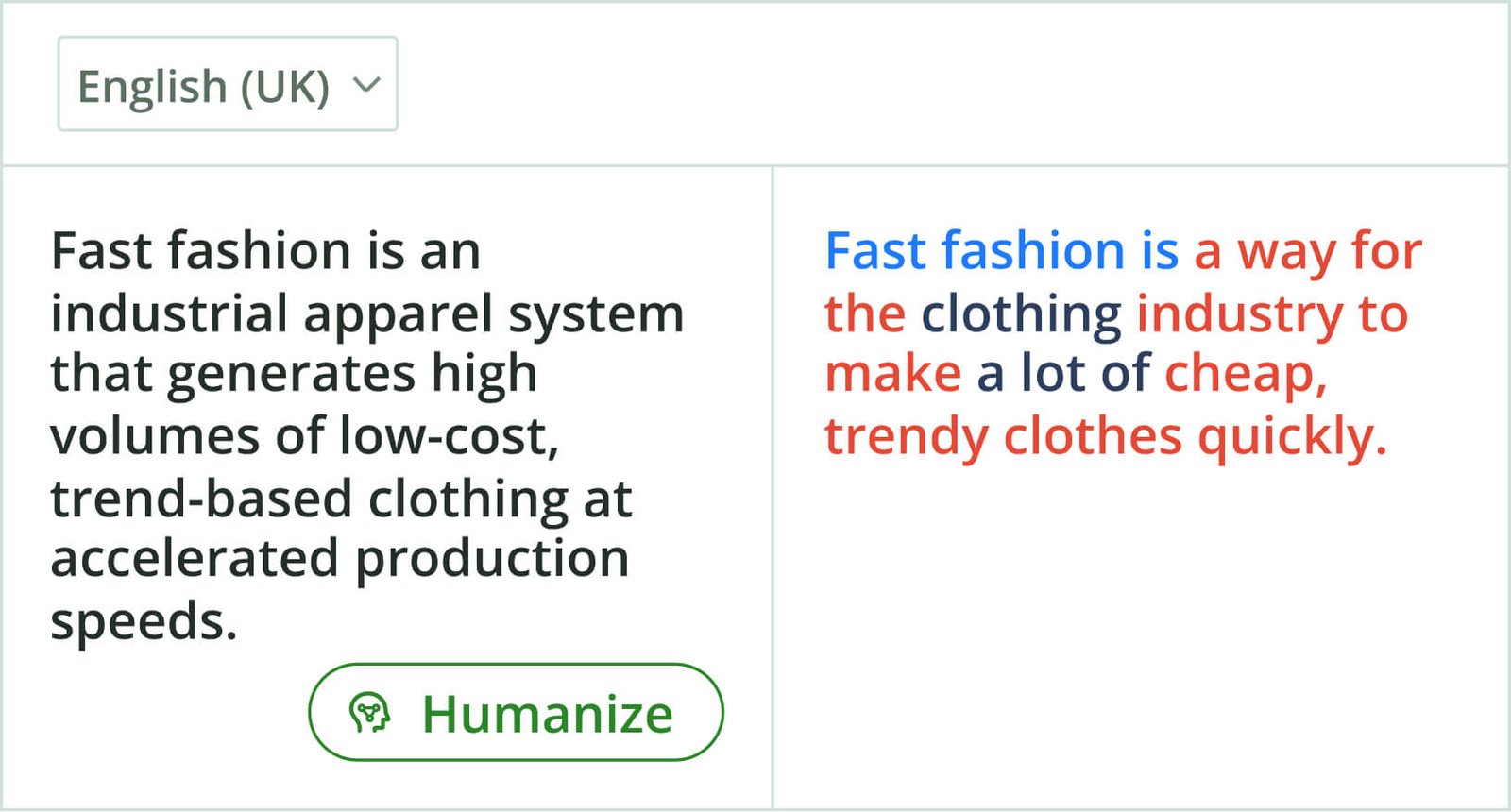
Quillbot’s free AI Humanizer helps you create engaging, natural-sounding copy. It smooths awkward phrasing and removes common AI giveaways, so every draft sounds more like you. After all, natural writing is in.
Quillbot’s free AI Humanizer helps you create engaging, natural-sounding copy. It smooths awkward phrasing and removes common AI giveaways, so every draft sounds more like you. After all, natural writing is in.